Festival of Social Enterprise 2026: What We Built Together
Last month, Sheffield hosted one of the largest and most diverse celebrations of social enterprise in the country.
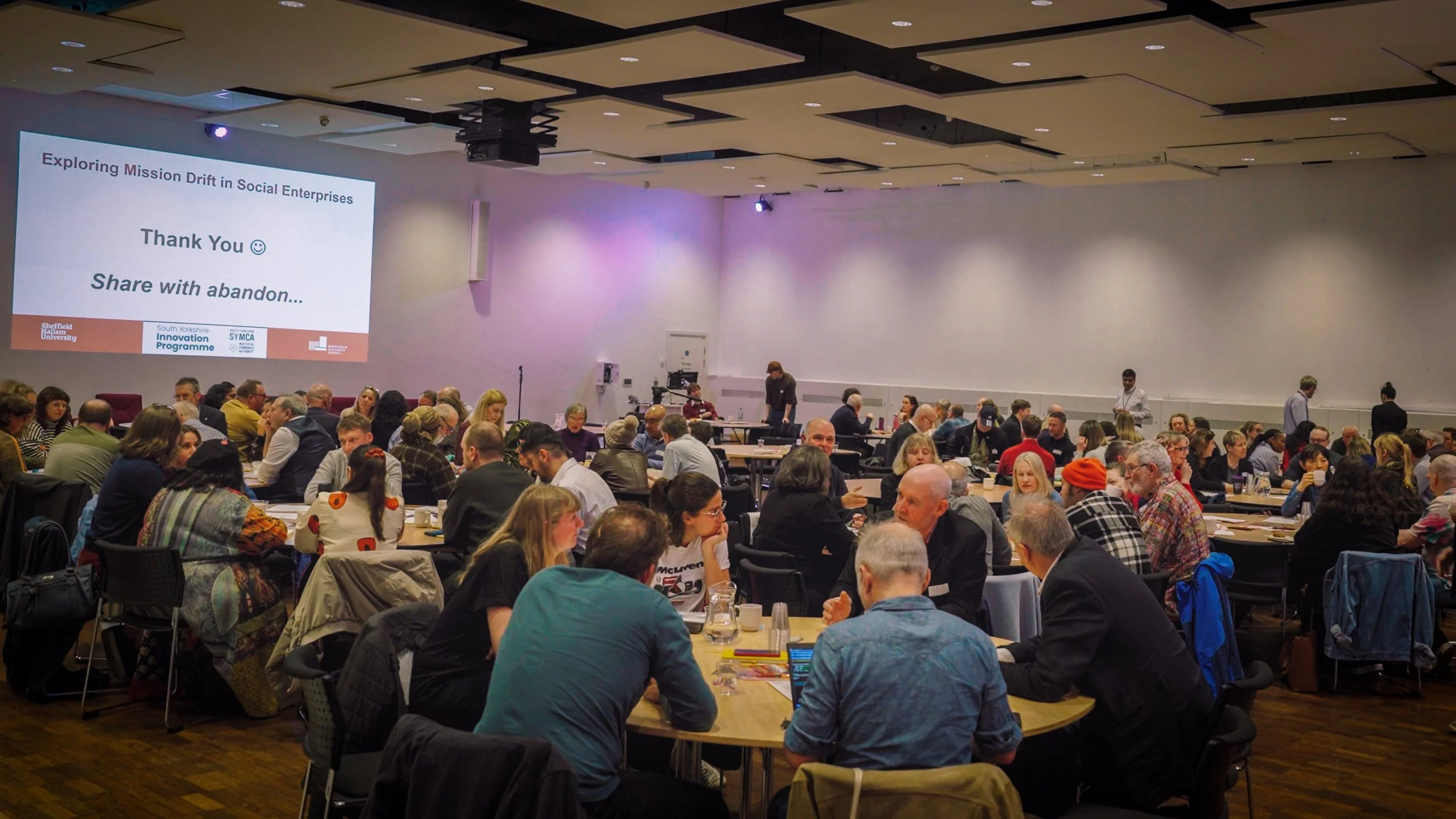
This year’s Festival of Social Enterprise brought together almost 800 people across 23 events and activities, with over 200 people joining us for the conference alone. Across the programme, we saw a genuinely broad mix of activity, from large-scale events that drew people into the space, to smaller, more intimate sessions that created the conditions for deeper connection.
The range of activity speaks for itself. Community meals and shared spaces brought people together around food and conversation, while nature-based sessions reconnected people with green space and each other. Creative workshops, writing sessions and live comedy opened up different ways of expressing and connecting, alongside practical sustainability sessions focused on repair, reuse and low-impact living. Alongside this, panels, talks and peer sessions created space for social entrepreneurs to reflect, learn and collaborate.
Some sessions focused more directly on the personal and relational side of the work. The Active Hope co-learning group created space for people to sit with some of the deeper emotional and systemic challenges of the times we are living through, while the Resilience Tools for Social Enterprises sessions offered practical support to those navigating day-to-day pressures. Even the Social Pickleball session played its part, creating a low-pressure, accessible way for people to connect, build relationships and simply spend time together.
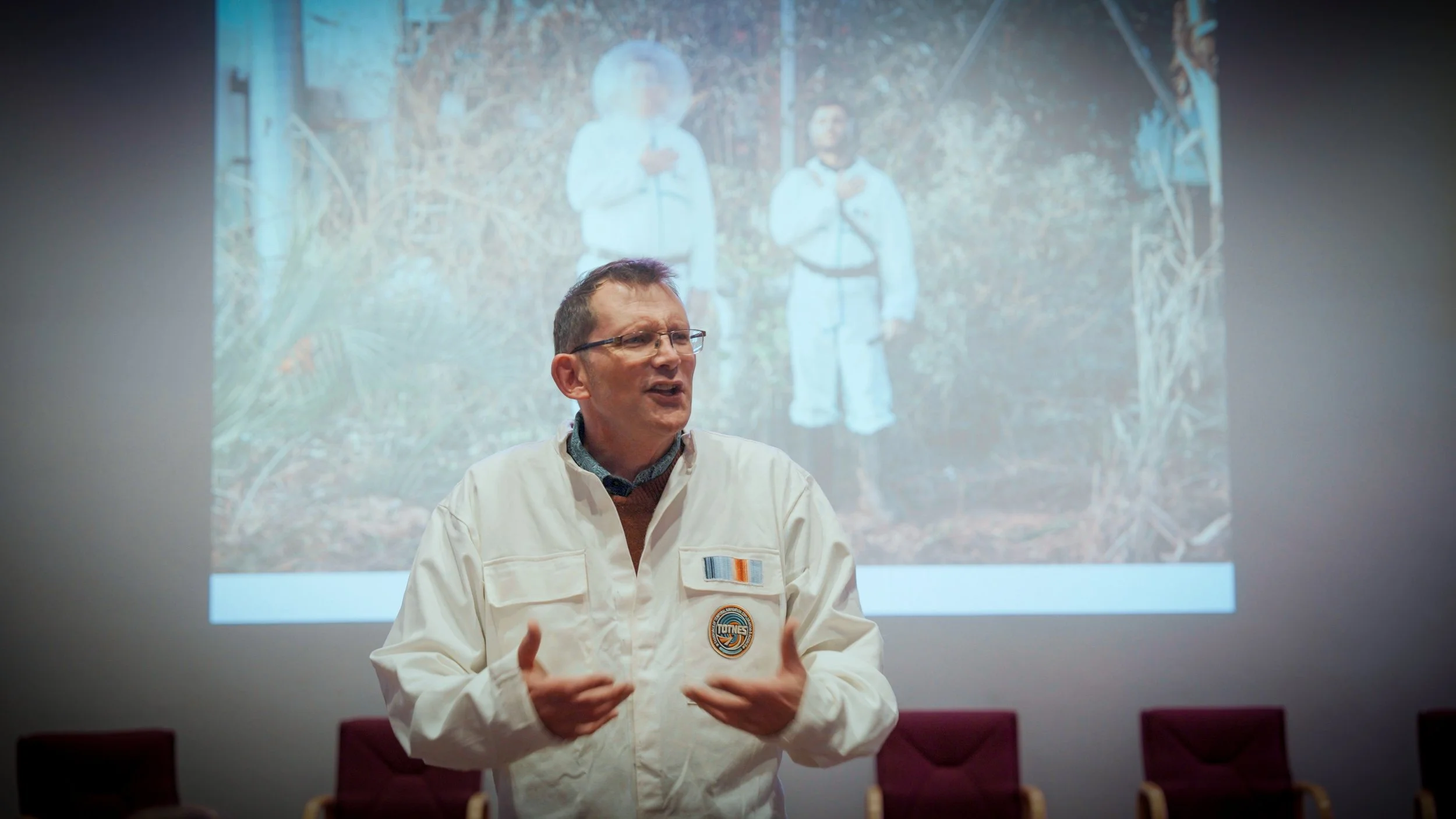
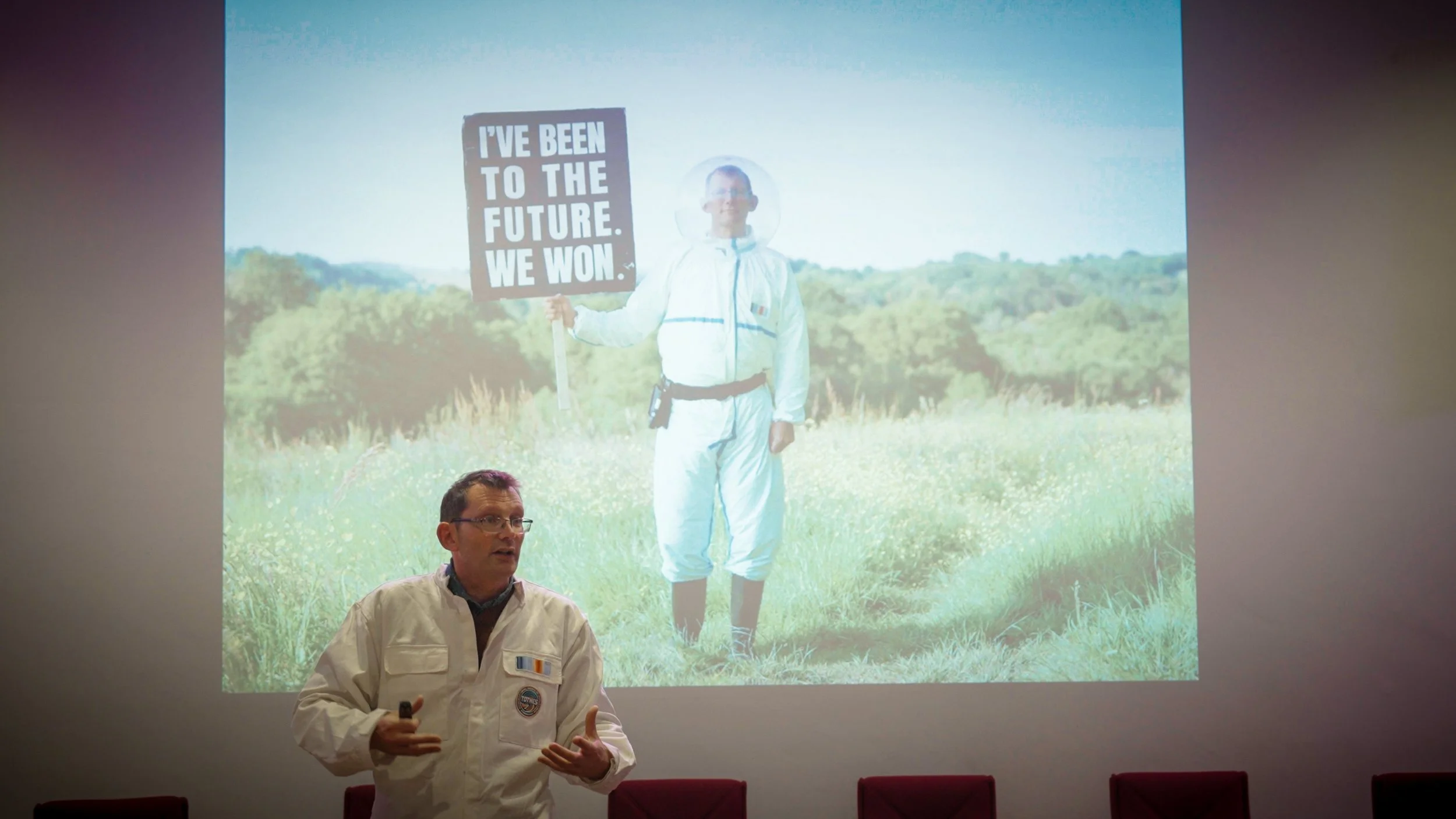
Rob Hopkins, Environmental activist and writer - Image by Opus Independents
At the centre of it sat the conference, which acted as both a launch point and a focal moment for the wider programme. Bringing together over 200 people from across sectors, it created space for a more deliberate conversation about the conditions for change in Sheffield. It helped set the tone for the weeks that followed, connecting people into a shared narrative about transition, resilience and the role of social enterprise within that.
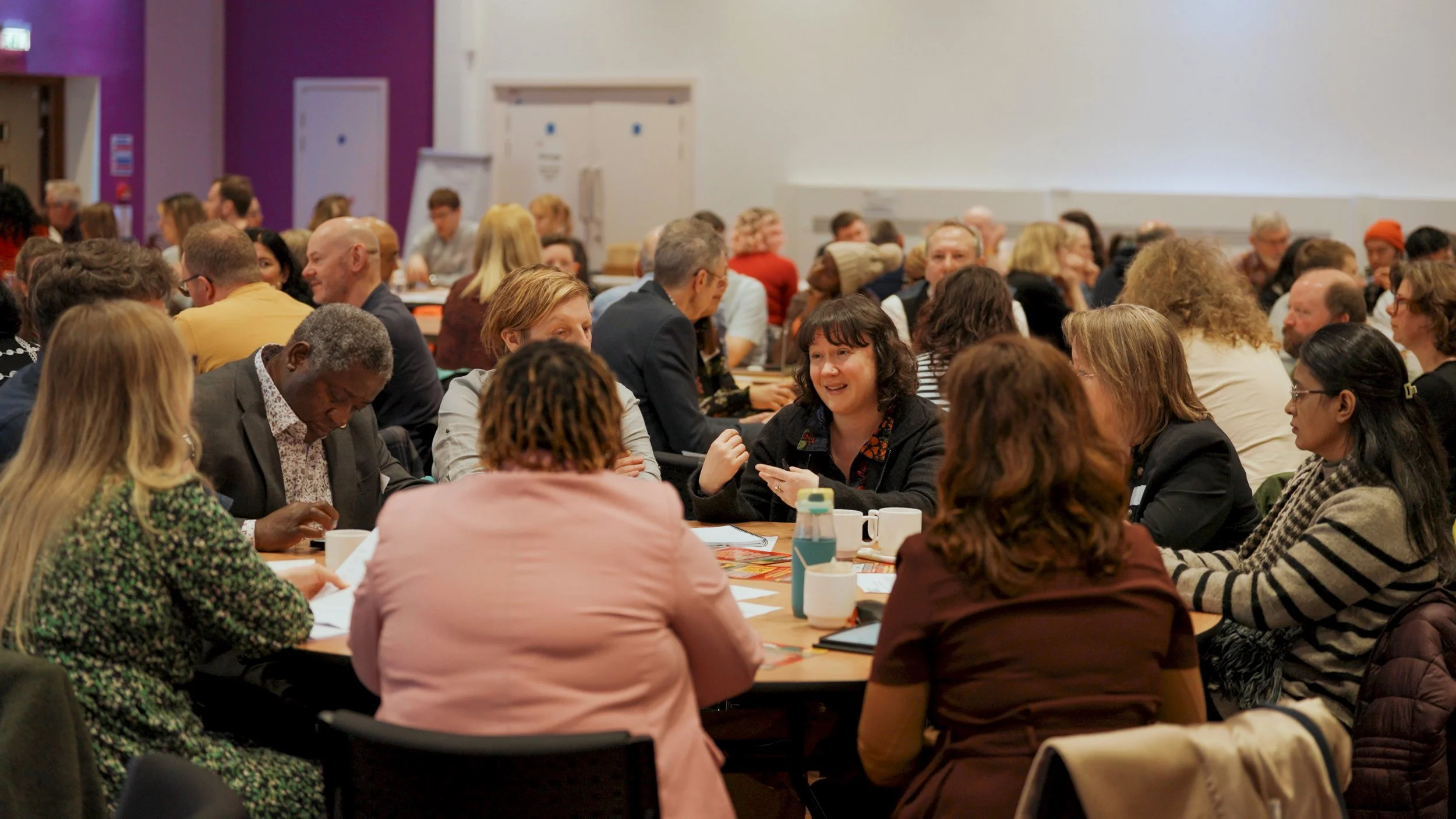
What stood out across the festival was the balance between scale and depth. Larger events helped bring new people into the space and increase visibility, while smaller sessions created space for more meaningful interaction. That combination is important. It allows people to find their own way in, whether they are new to social enterprise or already deeply embedded in the work.
The theme, Building a Resilience Commons for Sheffield, was shaped in advance through early conversations with social entrepreneurs, wellbeing practitioners and infrastructure organisations. The festival provided a way of bringing that thinking into the open, showcasing the wide range of work already happening across the city and creating space for new connections to form. At its heart is a simple idea: if the physical infrastructure of a city is the bricks, then the relationships, trust and shared capacity between people are the cement that hold it together.
Encouragingly, much of that activity is already continuing beyond the programme itself. Conversations are being picked up, relationships are holding, and there is clear appetite to take forward specific areas of work, including the continued development of the Sheffield Doughnut as a way of thinking about the city’s economy in a more joined-up and regenerative way.
From our side at SSEN, this work continues. We will keep convening, connecting and supporting the development of this activity, working with partners and stakeholders to explore what a resilience commons for Sheffield looks like in practice and how it can be sustained over time.
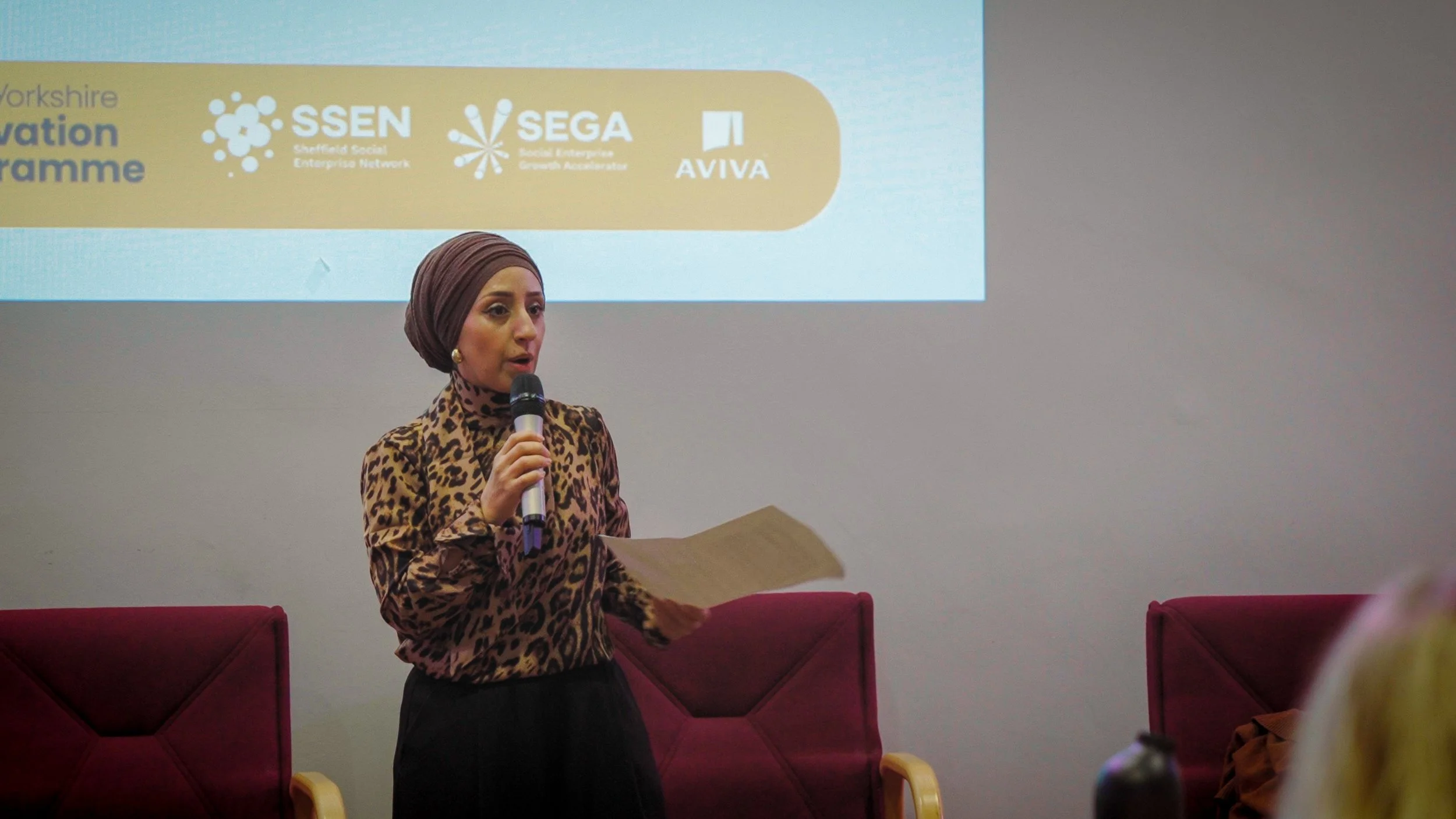
None of this happens in isolation. The support of partners such as Aviva, alongside our wider network of patron members, has enabled a programme that is open, inclusive and accessible, creating space for social enterprises across the city to share their work.
Finally, a genuine thank you to everyone who made this possible. To those who attended and brought their energy into the space. To those who facilitated sessions and shared their work. And to those who supported the festival behind the scenes and through partnership. This is collective work, and it only happens because people show up.
It is worth taking a moment to recognise what has been achieved. Just as importantly, it gives us something to build from.